


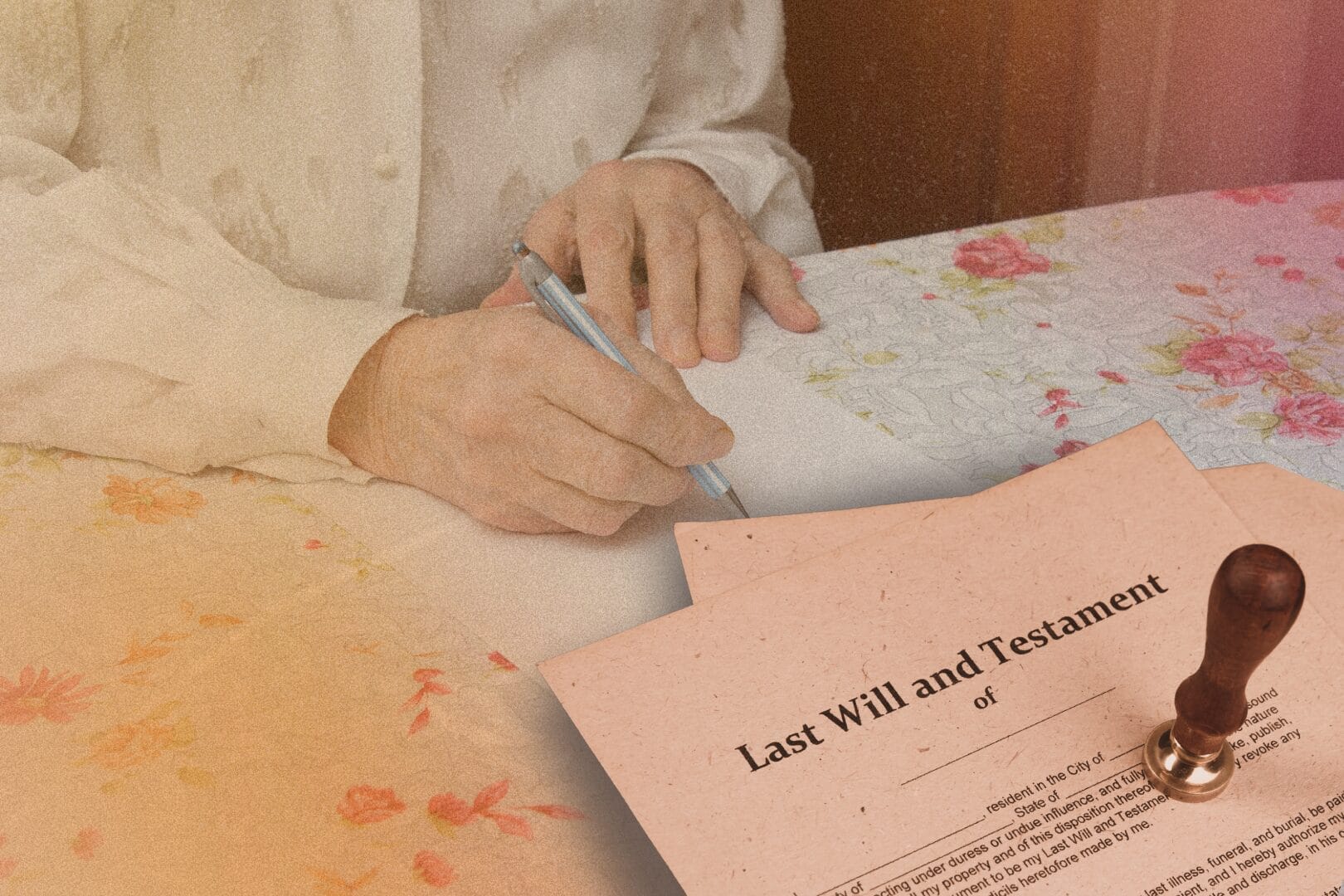
Estate planning and downsizing rarely announce themselves. More often, they arrive quietly after retirement, during a health change, or when a family home no longer fits everyday life.
If you are a senior in Vancouver or North Vancouver who is beginning to downsize, considering assisted living or long-term care, or simply wanting to reduce future burden on your family, this conversation is for you.
It is also for adult children, executors, and trusted professionals who often find themselves supporting these transitions, sometimes unexpectedly, and often while emotions, timelines, and responsibilities collide.
Over the past 20+ years, we’ve supported families through senior transitions, estate clearing, and property preparation. One thing is clear: downsizing is one of the most strategic and compassionate moments to bring estate planning into focus. It’s when drawers are opened, paperwork resurfaces, and important questions naturally arise. When approached with intention, it reduces stress for families, protects executors, and transforms what could feel overwhelming into something far more manageable.
Downsizing and Estate Planning Is Really About Readiness
When someone prepares to move into assisted living or long-term care or begins conversations with a realtor about listing the family home, attention understandably shifts to furniture, personal belongings, and what will physically fit in the next space.
Almost immediately, another reality emerges: how scattered or centralized life information really is. This is when families often say:
“I didn’t realize there were so many accounts.”
“I know there’s a will… but I’m not sure where it is.”
“Mom handled everything. None of us know the passwords.”
For many seniors, downsizing slows life down just enough to expose these gaps and that pause matters. It creates space to gather, clarify, and document important information before it becomes urgent, before illness or incapacity forces decisions under pressure.
This is why downsizing is so closely tied to estate planning. It naturally invites bigger questions like: What do I really need going forward? What would my children or executor need to know if something happened to me? Would someone be able to find my important documents without stress?
The goal is making things easier for the person who will one day step in.
The Executor (or Administrator) Role: What Many Families Often Don’t Realize
If you’ve named an executor (often a spouse or adult child), it’s important to understand what that role truly involves.
Being an executor (or an estate administrator when there is no will) is often seen as an honour, and it is. But it is also a legal role with real responsibility and accountability.
Executors are responsible for:
- Locating and validating legal documents
- Managing assets and liabilities
- Communicating with beneficiaries
- Filing taxes and settling debts
- Retaining records for years after the estate closes
Most executors are not professionals. They are people who are grieving, working, parenting, and navigating unfamiliar responsibilities all at once.
The quality of information they inherit determines whether the process feels orderly or overwhelming. Clear and accessible information protects them, both legally and emotionally.
Much of this burden can be eased with thoughtful preparation done well in advance.
What Your Executor (Often Your Child) Will Need From You
This is not a comprehensive legal checklist, but it is the foundation every estate administration relies on.
Think of this as a starting map. Lawyers, banks, and financial planners will always require additional detail, but these essentials shape everything that follows.
1) Legal and Decision-Making Documents That Anchor the Entire Estate
At the centre of every estate is the will. Your executor must know: where the original will is stored, whether it is current and legally valid, and who is named as executor and alternate (and whether they are still capable).
If a will cannot be found, the estate may be treated as intestate, meaning provincial law (not personal wishes) determines how assets are distributed.
Equally important are documents that apply before death:
- A Power of Attorney allows someone to manage finances if incapacity occurs.
- A representation agreement or living will outlines who can make health and personal care decisions.
Without these documents, families may need court involvement at exactly the wrong moment.
After death, executors must obtain Letters Probate (if there is a will) or Letters of Administration (if there is not). These court-issued documents authorize them to act on behalf of the estate: accessing accounts, selling property, and managing assets. Without them, most institutions will not release funds or even share information.
2) Financial and Practical Information: Why Knowing “Where Things Are” Matters
Once authorized, executors must reconstruct a person’s financial and personal life (often with little or no context). This process includes identifying bank and investment accounts; locating safe-deposit boxes and their keys; gathering paper and digital financial records; confirming vehicle ownership; reviewing insurance policies; and identifying key professional contacts such as lawyers, accountants, and financial planners.
When this information is centralized and current, estates move forward efficiently. When it’s scattered across drawers, emails, and memory, executors can lose months tracking it down.
Vital records are equally important. Executors often need access to: birth or adoption certificates, marriage licences or divorce decrees, citizenship documents or Indigenous status cards, SIN numbers, passports, and health cards. Some documents must be cancelled, while others must be kept indefinitely. Knowing what exists and where it is stored helps prevent unnecessary delays.
In summary, these are some important questions to ask:
- Where are your bank and investment accounts?
- Do you have a safe-deposit box, and where is the key?
- Where do you keep financial records (paper, digital, or both)?
- Who are your lawyer, accountant, and financial planner?
- Where is your vehicle ownership and insurance information stored?
3) Health, Personal Wishes, and the Details Families Need Most
Estate planning is not only financial. Executors and families often need to know who the family doctor is, what medications are currently being taken, and whether funeral or memorial wishes have been expressed.
When these details are written down and shared, families don’t have to guess during emotionally charged moments. They can act with clarity and respect instead of uncertainty.
4) Digital Life: The Modern Estate Blind Spot
Email, online banking, cloud storage, social media, and digital photos are now part of every estate. Yet digital access remains one of the most common gaps families encounter.
Executors may need:
- Usernames and passwords
- Instructions for closing or memorializing accounts
- Access to digital documents and photos
Without this information, families may permanently lose access to financial records and irreplaceable memories. Digital assets are no longer optional considerations; they are essential estate information.
5) Personal Property, Debts, and Taxes: The Practical Reality
Executors must account for everything a person owned and owed.
High-value household items such as jewelry, artwork, antiques, collections, and electronics (often requiring appraisals for probate, insurance, or fair distribution among beneficiaries).
At the same time, all debts /liabilities must be identified and settled before assets can be distributed: credit cards, loans, mortgages, leases, utilities, and ongoing expenses.
Executors are also responsible for filing final income taxes and addressing any outstanding returns. In Canada, financial records may need to be retained for at least six years or longer in certain situations. When a business is involved, professional legal and tax guidance becomes essential.
6) Insurance, Beneficiaries, and Why Details Matter
Executors should locate life insurance policies, beneficiary designations for registered accounts, and property and vehicle insurance policies. Beneficiary designations often override what is written in a will, making accuracy critical.
When this information lives only “in someone’s head,” families are left searching during moments of crisis. When it’s written down and accessible, it becomes a gift.
Organization, Downsizing, and Estate Transitions: Why Professional Support Matters
Downsizing, estate planning, and document organization are often mistaken as signs of decline. In reality, they are acts of foresight and care. Steps that reduce uncertainty, protect families, and allow executors to move forward with clarity rather than guesswork.
One of the most overlooked risks during estate transitions is identity theft. Sensitive documents must be stored securely, kept separate from everyday personal files, and destroyed properly when no longer required. Estate records should be centralized and protected in a locked filing cabinet or secure file box. Financial records generally need to be retained for at least six years, while vital records (such as birth and death certificates) should be kept indefinitely. When documents are no longer required, shredding is essential; recycling or discarding them creates unnecessary risk.
Many families come to us during emotionally charged transitions: moving into assisted living, transitioning to long-term care, preparing a home for sale, or managing an estate after a death. Downsizing in these moments is not about loss; it is about right-sizing for the next chapter while quietly simplifying what comes later. An organized estate supports smoother real estate decisions, clearer timelines, and more efficient negotiations when a property is listed.
Estate transitions are rarely meant to be managed alone. A thoughtful circle of support may include an estate lawyer, a financial planner, a realtor experienced in downsizing and estate sales, and a professional organizer who understands senior transitions and estate clearing. Working together, these professionals help prevent missed details, costly errors, and unnecessary stress particularly for executors navigating unfamiliar responsibilities.
We often hear people say, “I don’t want my kids to have to figure this out on their own.” That intention reshapes the entire experience. These conversations are about continuity and giving families direction, reducing uncertainty, and allowing executors to act with confidence. Preparation does not remove emotion from these moments, but it does make them gentler.
Would You Like an Estate Planning & Downsizing Checklist?
We’re considering creating a simple and practical resource designed for seniors, families, executors, and those navigating assisted living or long-term care transitions.
👉 If you’re interested, please add your name to our waitlist form. If we receive enough requests, we’ll create and share it with our community.
For many families, this preparation becomes one of the most meaningful gifts a parent ever leaves.