


Most people think their productivity problems come down to discipline. They assume they need better habits, stronger motivation, or more willpower.
More often, productivity struggles come from a workspace that’s unintentionally working against you. Not because you’re doing something wrong, but because your environment is quietly steering your behavior in ways you don’t even notice.
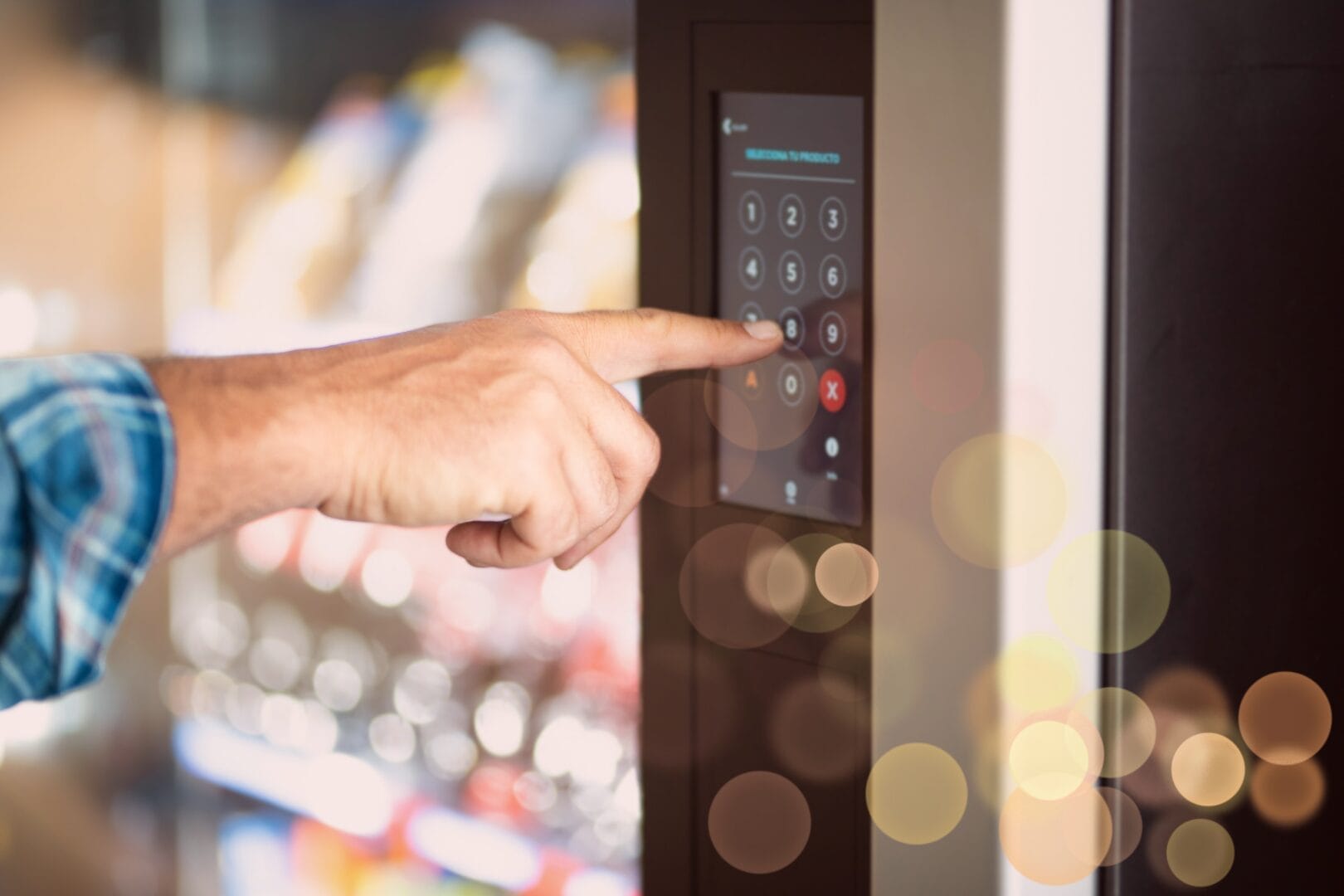
In Atomic Habits, James Clear explains just how powerfully our environment shapes our daily choices. One of his most memorable examples compares soda and water consumption. When soda is easier to access, people drink more soda. But when water is placed in obvious and high-traffic locations, people naturally choose water without consciously trying to “make better choices.”
Researchers confirmed this effect. By placing water near cash registers and other visible spots, soda sales dropped while water consumption increased. Not because people suddenly developed stronger willpower, but because the environment changed.
That same principle plays out in your office every single day.
When a workspace is designed intentionally, productivity becomes the default. When it’s not, even the most motivated people struggle to stay focused and often blame themselves for it.
Your Office Is Shaping Your Habits (Whether You Mean It To or Not)
Your workspace is constantly giving you cues about what to do next. What you see, what’s within reach, and what takes effort to access influence your behavior far more than motivation ever will.
If your phone is sitting on your desk, it’s going to get checked.
If your to-do list is buried under papers, it’s going to get ignored.
If your desk is cluttered, part of your brain stays busy processing it, even when you’re trying to focus.
This is why productivity often feels harder than it should. You’re responding exactly as a human brain does in an environment that wasn’t designed with behaviour in mind.
The most effective productivity systems rely on smart organization.
Organizing Insight:
easy access = frequent used
out of sight = out of habit
friction = avoidance
When something is easy to access, it gets used more often. When it’s out of sight, it quietly slips out of habit. And when there’s friction (even something as small as standing up or opening a drawer) your brain is far less likely to choose it.
This is how productivity gets placed on autopilot. Just like placing water in high-traffic areas increases hydration, placing the right tools in the right places increases focus and efficiency.
Organize Your Office to Work for You
Every office already has a system in place. The only question is whether it’s supporting your work or subtly sabotaging it.
From an organizing perspective, people naturally gravitate toward what feels visible, convenient, and mentally simple. They avoid what feels overwhelming, hidden, or inconvenient.
Organizing Insight:
If distractions are within reach, they’ll be used.
If essential tools are buried, they’ll be avoided.
If your desk is cluttered, your brain stays busy processing it.
When high-priority tools are easy to see, they get used. When distractions require even a little extra effort, they lose their pull. And when everything has a clear and intuitive home, your brain wastes far less energy deciding what to do next. That’s when productivity starts to feel lighter, quieter, and almost automatic.
That’s why professional organizers don’t just focus on making spaces look neat. We organize for behaviour.
Visibility drives action.
Start by paying attention to what’s visible. The items you see are the items you’re most likely to use. If your priorities are hidden under piles or tucked away, they’ll be easy to forget. Try keeping your high-priority tools (your planner, current project materials, or daily to-do list) within sight, and remove visual clutter that competes for your attention.
Proximity shapes habits.
Next, consider what’s within reach. What lives in arm’s reach tends to become your default and gets used most often. Place the tools that support focused work close to you, and move distractions just far enough away that they require a conscious decision to access. Even a small amount of distance can change a habit.
Friction change behaviour.
Finally, think about friction. Small inconveniences matter more than we realize. Having to stand up, open a drawer, or log into an extra screen can be enough to reduce behaviors you’re trying to do less of while making supportive habits easier to choose.
When these elements are working together, productivity stops feeling forced. Your workspace quietly nudges you toward better habits throughout the day and naturally supports how you want to work.
The “Vending Machine Effect” in Your Workspace
Take a moment and look at your own office.
What’s your “soda machine”?
Maybe it’s your phone sitting on your desk.
An open email inbox glowing on a second monitor.
A desktop full of unfinished tasks pulling at your attention.
Now ask yourself: where’s your “water”?
Your planner.
Your priority list.
The tools you actually need to do focused, meaningful work.
If productive tools are harder to access than distractions, your environment is quietly training you to be less productive no matter how good your intentions are.
How to Make the Right Choice the Easy Choice
Workspaces function best when they’re organized around how you actually work, not how you think you should work. Here are a few professional organizer–approved ways to reorganize your office for productivity:
Creating zones based on behavior is one of the most effective places to start. When different areas of your office have clear purposes (focused work, lighter administrative tasks, reference materials, or short mental breaks) your brain doesn’t have to work as hard to shift gears. Focus zones support deep work. Administrative areas hold tasks that don’t require creativity. Reference materials belong where they’re genuinely useful.
Storing items by frequency instead of category also makes a significant difference. Tools you use daily should be effortless to access. Items you only need occasionally don’t deserve prime real estate and can live farther away.
Reducing visual noise is equally important. A cluttered desk creates mental clutter, pulling at your attention even when you’re trying to focus. Keeping only what supports your current work visible and giving everything else a designated home allows your brain to settle.
Finally, make distractions slightly less convenient. They don’t need to disappear completely; they just need a bit of friction. A phone in a drawer, notifications turned off, or non-essential apps removed from your main screen can quietly change how your day feels.
Small changes like these make a surprisingly big difference.
—
When your office is organized intentionally, you stop fighting your space and start working with it. Focus becomes easier. Decisions take less effort. Your workday feels calmer and more controlled.
As professional organizers, our work is rarely about making offices look good. We’re all about designing systems that make clarity, efficiency, and focus the easiest options available.
If productivity feels harder than it should, your environment may be asking too much of you. And that’s exactly where thoughtful and behavior-based organization can change everything.