


Recently, I came across a thoughtful post from the Estate Planning Council of Canada that highlighted a reality many families quietly experience but rarely talk about.
After working alongside hundreds of seniors and their families through downsizing, estate transitions, and legacy planning, I’ve stood in living rooms filled with beautiful objects and watched adult children quietly panic about where any of it would go.
We don’t talk about this part of estate planning enough, but it’s not just about wills and investments. It’s also about the furniture, the china cabinets, the boxes of photos, the filing cabinets, and the decades of belongings that carry emotional weight.
In homes across Vancouver, a parent gestures around a house filled with carefully chosen possessions and says something heartfelt: “I just want the kids to have what I’ve saved and kept for them.” And the adult children (loving, respectful, grateful) quietly think, where would we even put it?
Let me gently say what many families discover too late: your kids don’t want your stuff.
As a professional organizer specializing in downsizing and estate transitions, I’ve helped hundreds of seniors and families navigate this exact moment. And I can tell you with certainty, the emotional weight of personal belongings is often heavier than the physical weight.
Even our LinkedIn post sparked some interesting conversations about this. Here are a few of the comments and perspectives that came up.
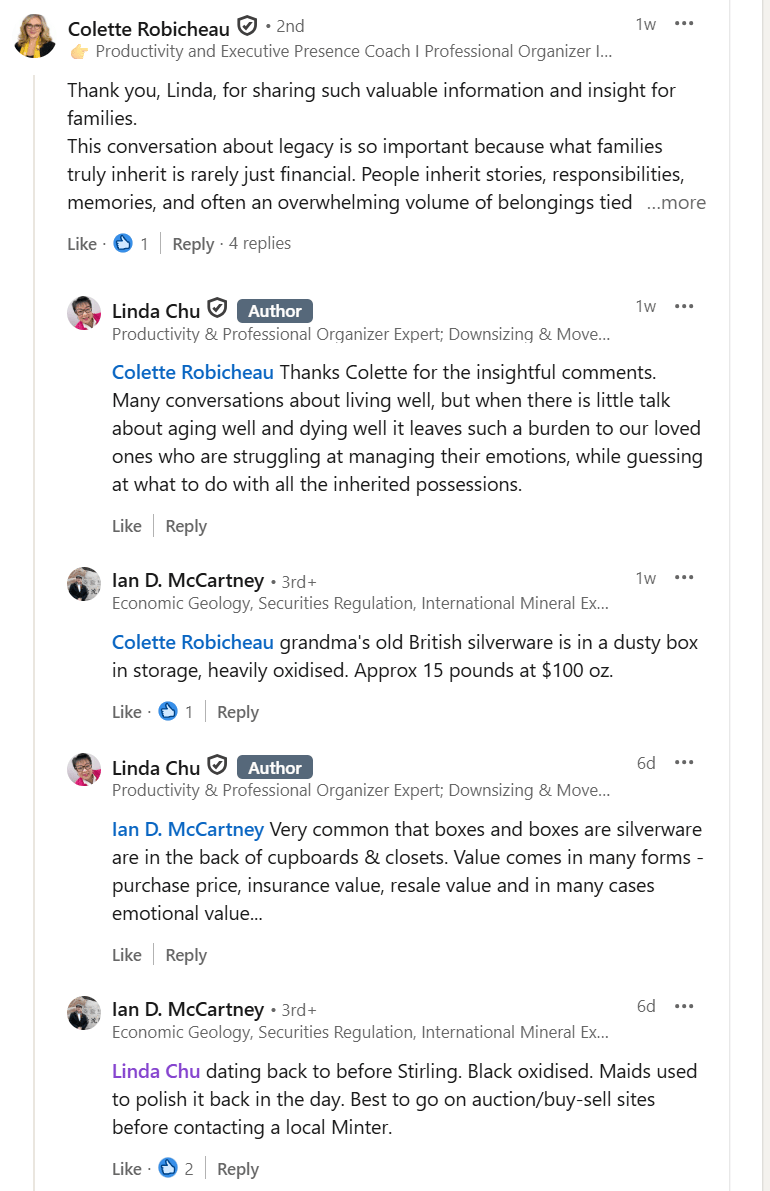

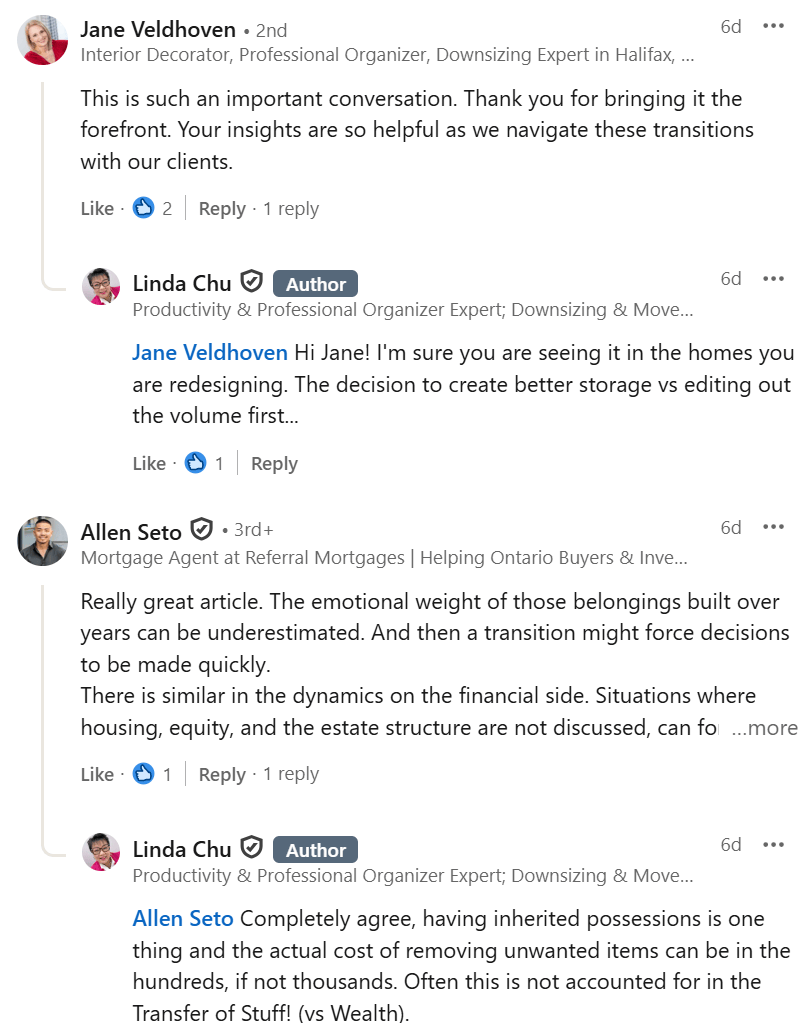
This reminds families that estate planning should involve thoughtful preparation, communication, and organization including what happens to the contents of a home. In real life, that’s where much of the stress lives.
Let’s talk about three areas where intentional planning can make all the difference.
1. The “Someday Valuable” Household Collections
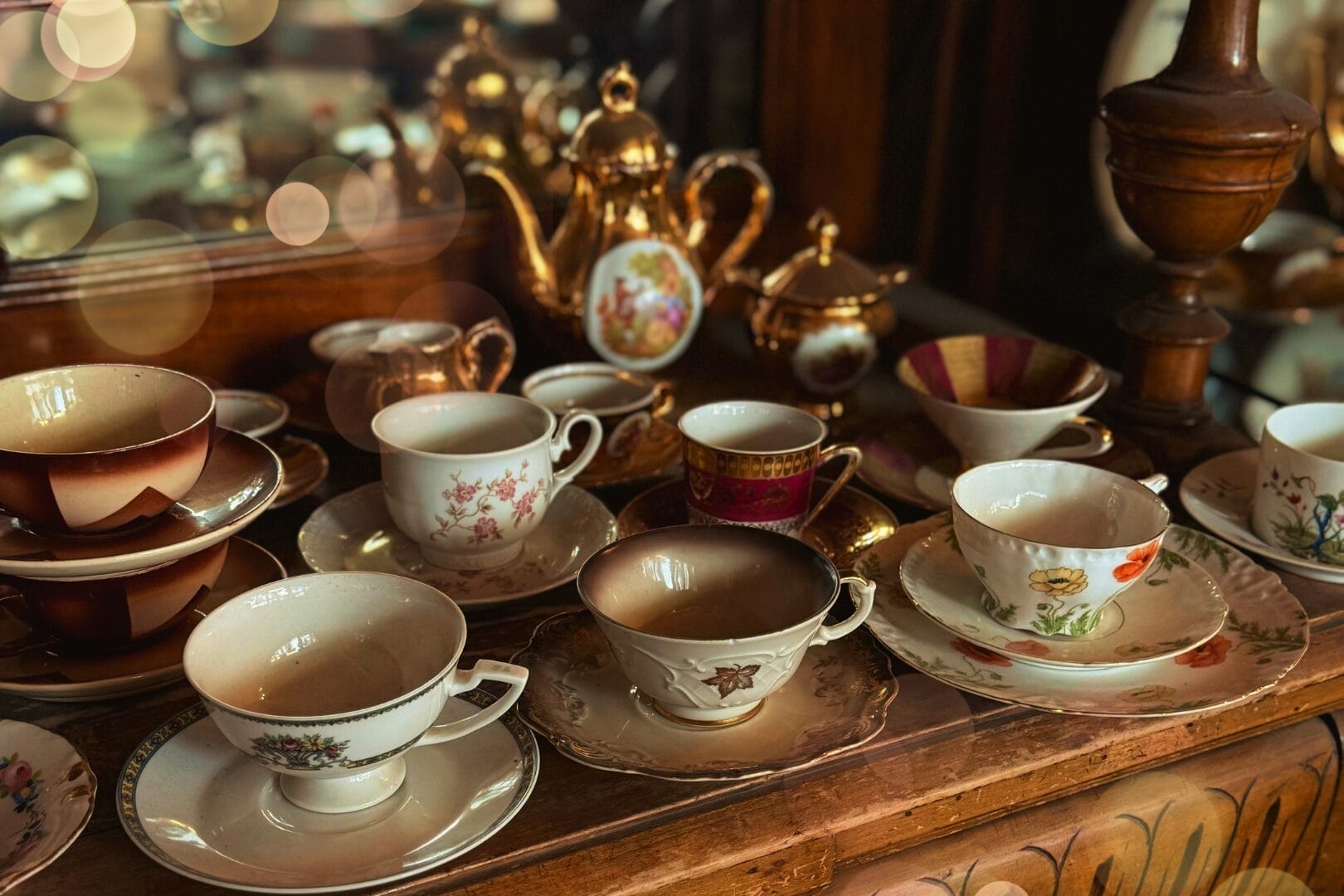
Fine china. Crystal. Figurines. Collector plates. Silver serving trays. Antique display cabinets.
For many seniors, these items symbolize milestones: weddings, anniversaries, promotions, holidays filled with family. They were purchased with care and pride. Some were even inherited from previous generations. But lifestyle trends have shifted dramatically.
Across Canada, many adult children live in smaller homes or condominiums. Entertaining has become more casual. Open shelving and minimalist design have replaced formal dining displays. Multi-functional spaces are preferred over rooms dedicated to formal use. Maintenance-heavy items that require polishing, hand washing, and specialized storage simply don’t fit modern routines.
There is also a market reality that surprises many families: resale demand for mass-produced collectibles and formal dining sets has significantly declined due to oversupply and changing tastes. Estate sale professionals frequently report that these items sell for far less than expected, if they sell at all. This creates a difficult emotional gap between perceived value and actual market value.
What works better in estate planning and downsizing?
- Identify a few meaningful pieces and gift them while you can see them enjoyed.
- Obtain a professional appraisal if you believe something has significant value.
- Consider charitable donation options aligned with your values.
Legacy is not measured in cabinet contents but in clarity and intention.
2. Furniture That Doesn’t Fit Modern Life
Large hutches. Heavy dining sets. Ornate armoires. Persian rugs layered wall to wall.
Many homes built decades ago were designed for formal entertainment and larger room layouts. Today, housing trends are shifting toward smaller spaces and more flexible living environments. Square footage for younger families is often smaller than the detached homes many seniors raised their families in. That means:
- large hutches and dining sets may not physically fit
- antique bedroom suites can overwhelm smaller rooms
- oversized rugs designed for expansive living rooms dominate modern layouts.
Beyond space constraints, there are financial realities. Moving large furniture is expensive. Professional movers charge based on weight, volume, and complexity. Storing inherited pieces can cost thousands of dollars annually, if adult children feel obligated to hold onto items they don’t actually have room for.
I have personally helped families find and pay for storage units simply because no one felt emotionally comfortable letting items go. I have also seen strained sibling conversations when expectations around inheritance were unclear.
When parents proactively decide what truly carries heirloom value, what can realistically be sold or donated, and what can be responsibly released; they significantly reduce future emotional and financial stress for their children.
It’s important to recognize that your children are simply protecting their space, their budget, and their capacity. A compassionate estate plan considers scale and practicality: Does this piece fit their home? Have they expressed genuine interest in keeping it? Are we unintentionally creating obligations where none exists?
I’ve seen the relief on adult children’s faces when a parent says, “I’ve already handled the furniture.” That sentence alone can change the emotional tone of an entire transition.
3. Paper, The Quiet Avalanche in Estate Administration
Photos. Filing cabinets. Tax returns from 1992. Insurance documents. Old bank statements. Instruction manuals for appliances long gone. Unlabeled envelopes.
If there is one category that consistently creates the most stress for executors, it is paper. It feels small until it fills a room. And after a death, executors must quickly locate essential information such as:
- The original will and powers of attorney
- Insurance policies
- Property deeds and titles
- Bank and investment information
- Tax records
- Account passwords and professional contacts
I have sat beside grieving adult children sorting through banker’s boxes of mixed paperwork, unsure what is important and what is outdated. That administrative chaos compounds emotional stress.
In contrast, families who prepare a clearly organized and labeled estate binder, an updated asset inventory, a simple written summary of accounts and professional contacts, and digital records create an immeasurable gift for their loved ones. So if you want to leave something truly valuable for your family:
- Consolidate key documents.
- Shred what no longer matters.
- Digitize meaningful memories.
- Most importantly, leave instructions.
That level of preparation is an act of love.
What I’ve Learned After Hundreds of Downsizing and Estate Transitions
Estate planning is often framed around wealth transfer. But for most families I serve, the deeper goal is harmony. When belongings are never discussed, assumptions form and the reality of the ‘stuff transfer’. Siblings guess. Guilt influences decisions. Storage units quietly fill. Relationships strain.
But when conversations happen early: parents learn what their children actually value, children understand the stories behind meaningful items, decisions feel collaborative rather than imposed, and expectations become realistic.
Your children are managing careers, mortgages, children of their own, and the emotional demands of everyday life. Adding an entire household of inherited belongings to that load can feel overwhelming, even if they never say it out loud. The most peaceful transitions I’ve witnessed share three qualities:
- Conversations happen early.
- Decisions are documented.
- Sentimental items are intentionally chosen.
The work is not about getting rid of everything but distinguishing between memory and material. And if there’s one thing I know as a professional organizer specializing in senior downsizing, estate planning preparation, and compassionate home transitions: the greatest gift you can leave your children is not a house full of objects. It is a home that has already been thoughtfully prepared for the next chapter.
If you’re beginning this journey, start gently with one honest conversation. Your family will feel the difference.
And if you need guidance navigating downsizing, estate organization, or legacy planning with compassion, Out of Chaos is here to help. Let’s make this process lighter for you and easier for the people you love.