


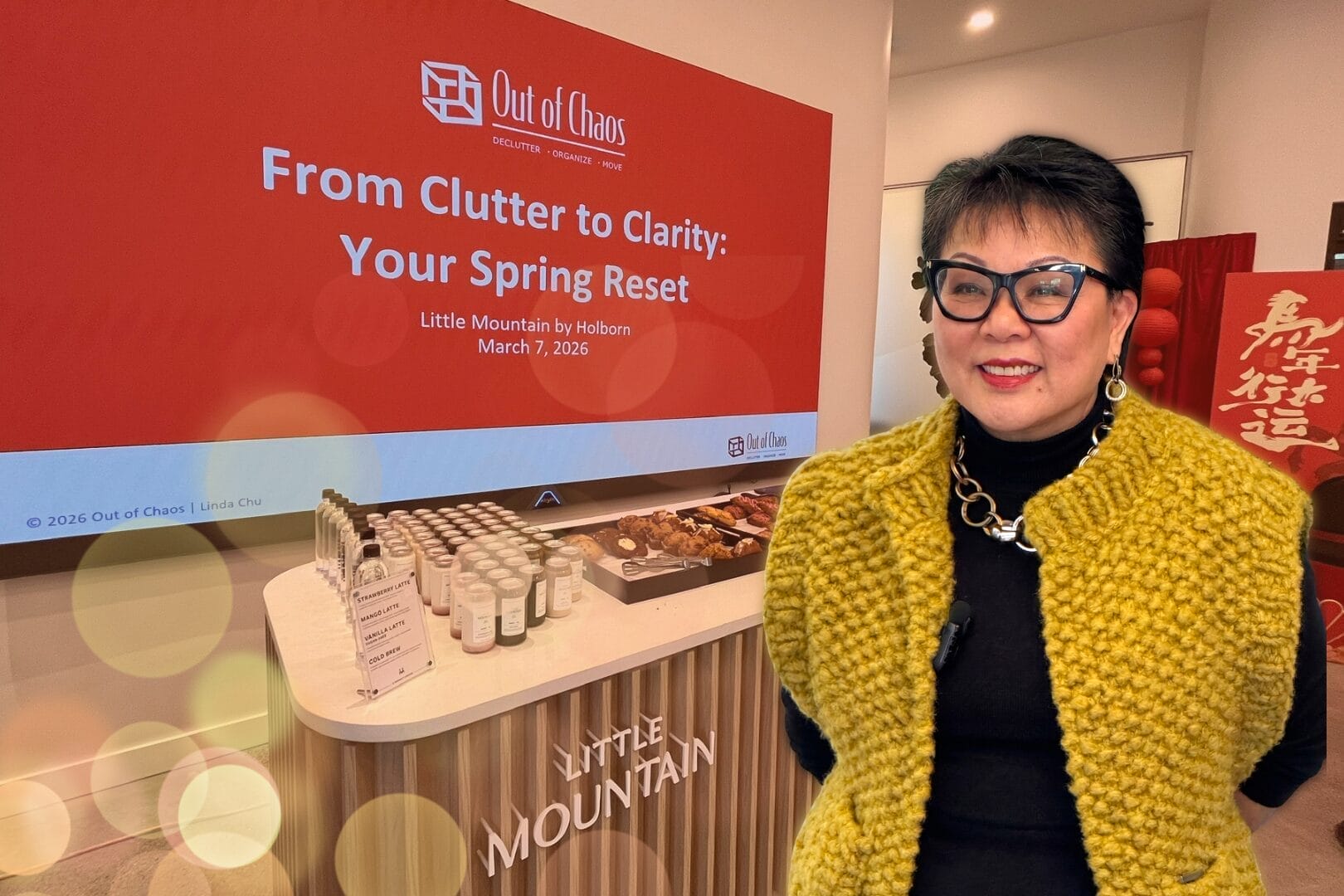
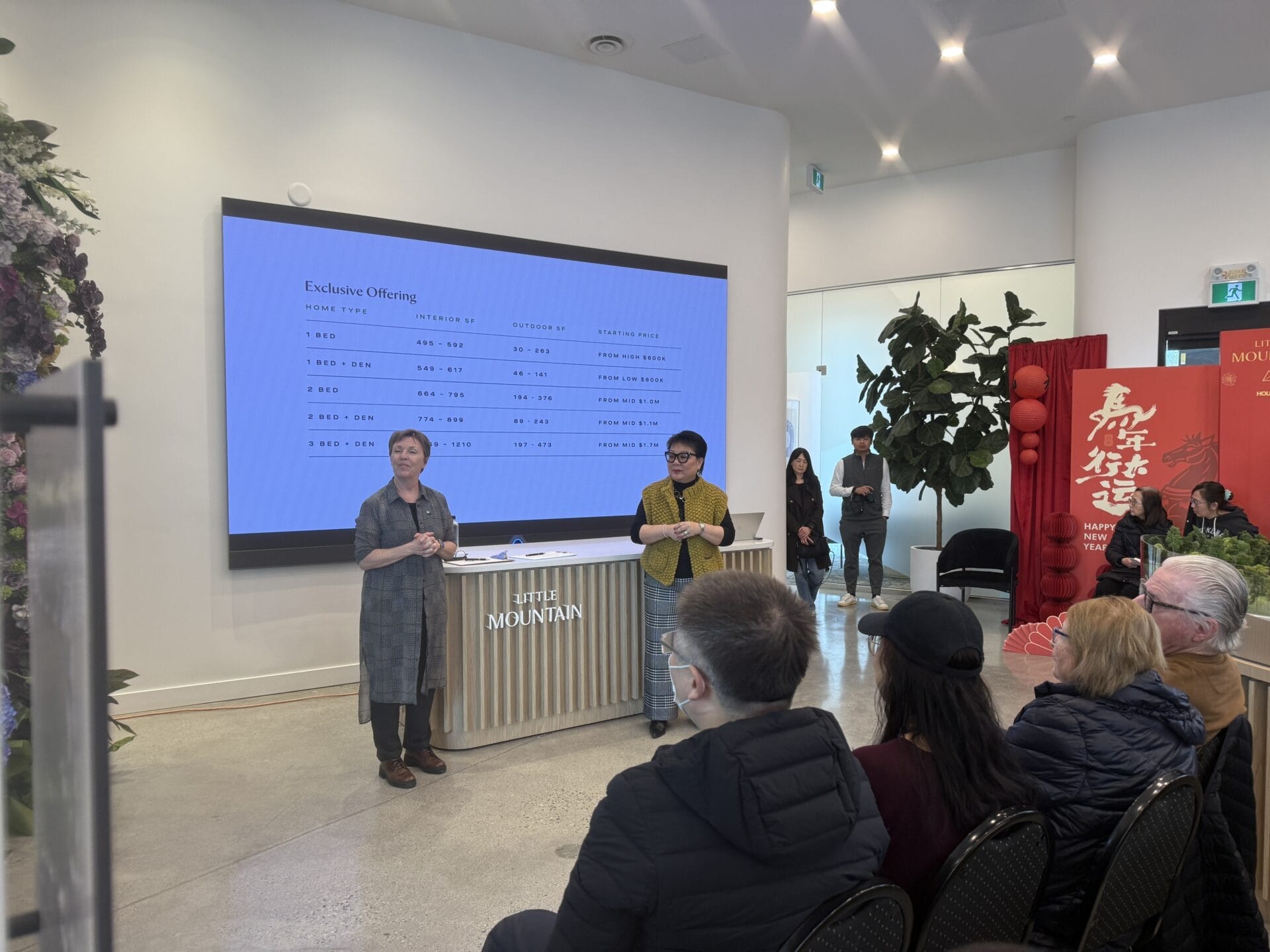
There are moments in community spaces that stay with you for a long time. The recent “Spring Cleaning at Little Mountain” event was one of them.
It was a Saturday morning filled with thoughtful conversation, honest questions, and a shared recognition of something many people quietly carry: the weight of their homes, their belongings, and the decisions that come with both.
Events like this are a powerful reminder that decluttering and home organization are shared experiences that connect people across life stages. Whether someone is upsizing, downsizing, preparing for a move, or simply trying to feel more productive at home, the underlying challenge is often the same.
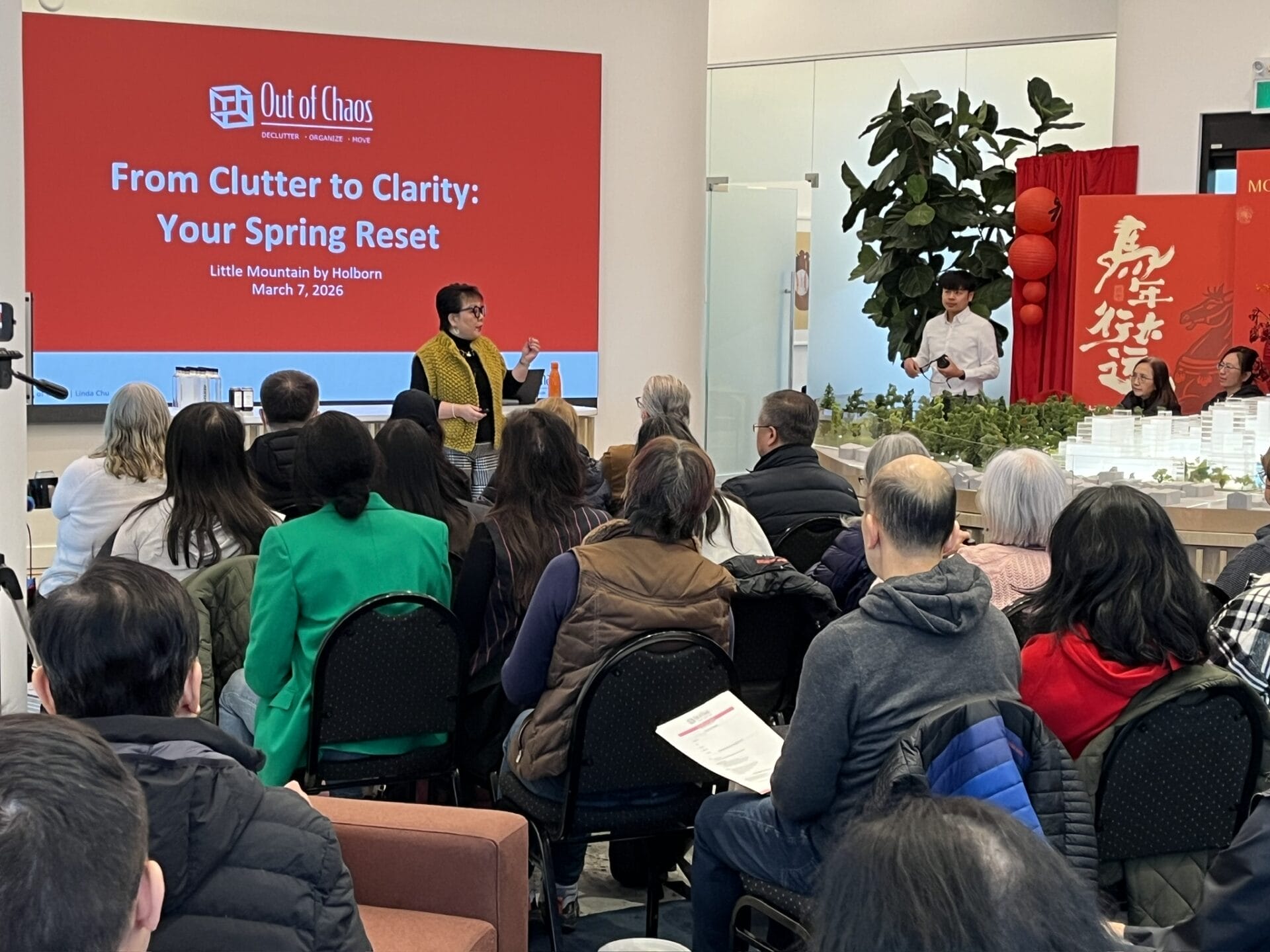
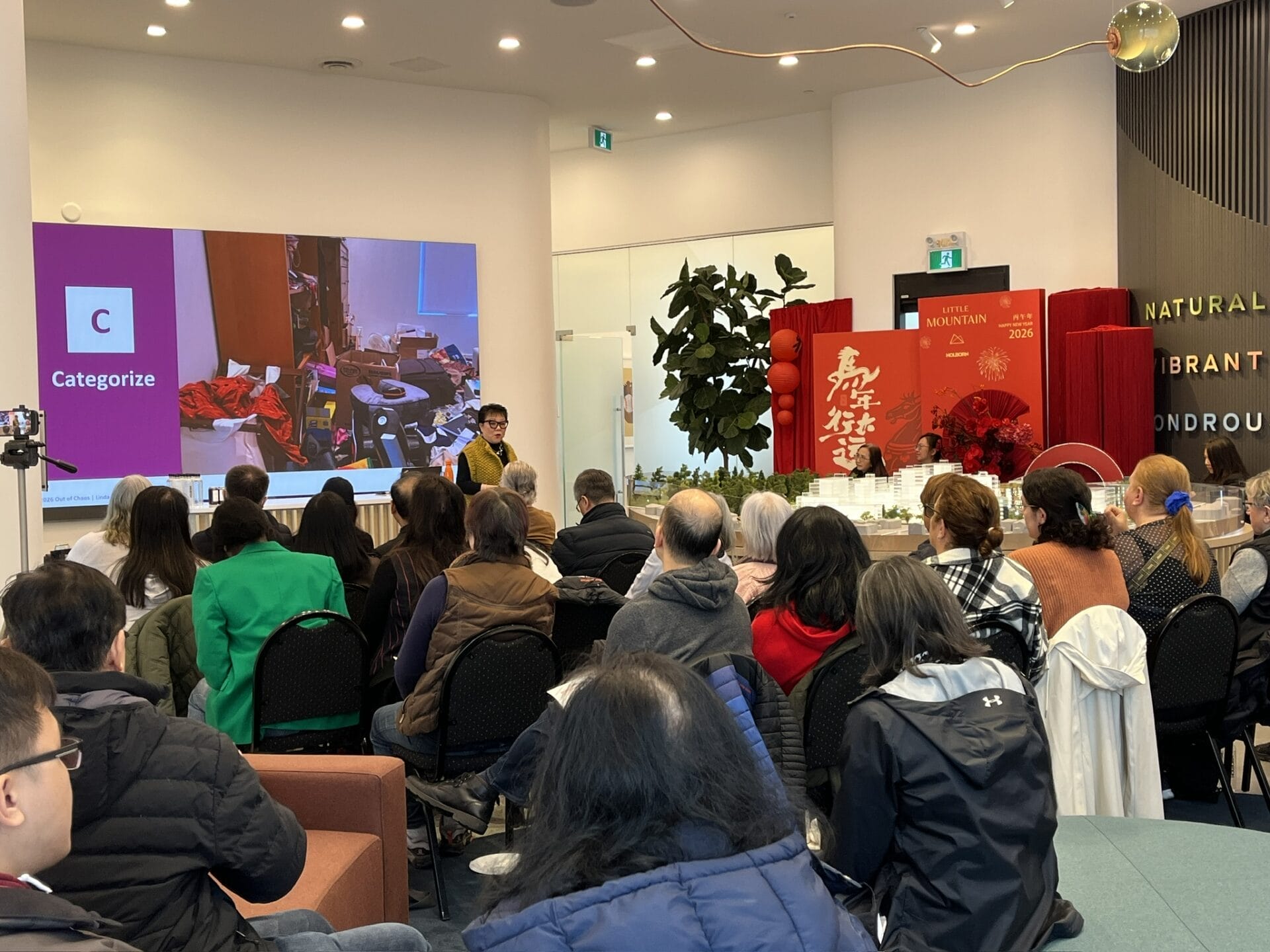

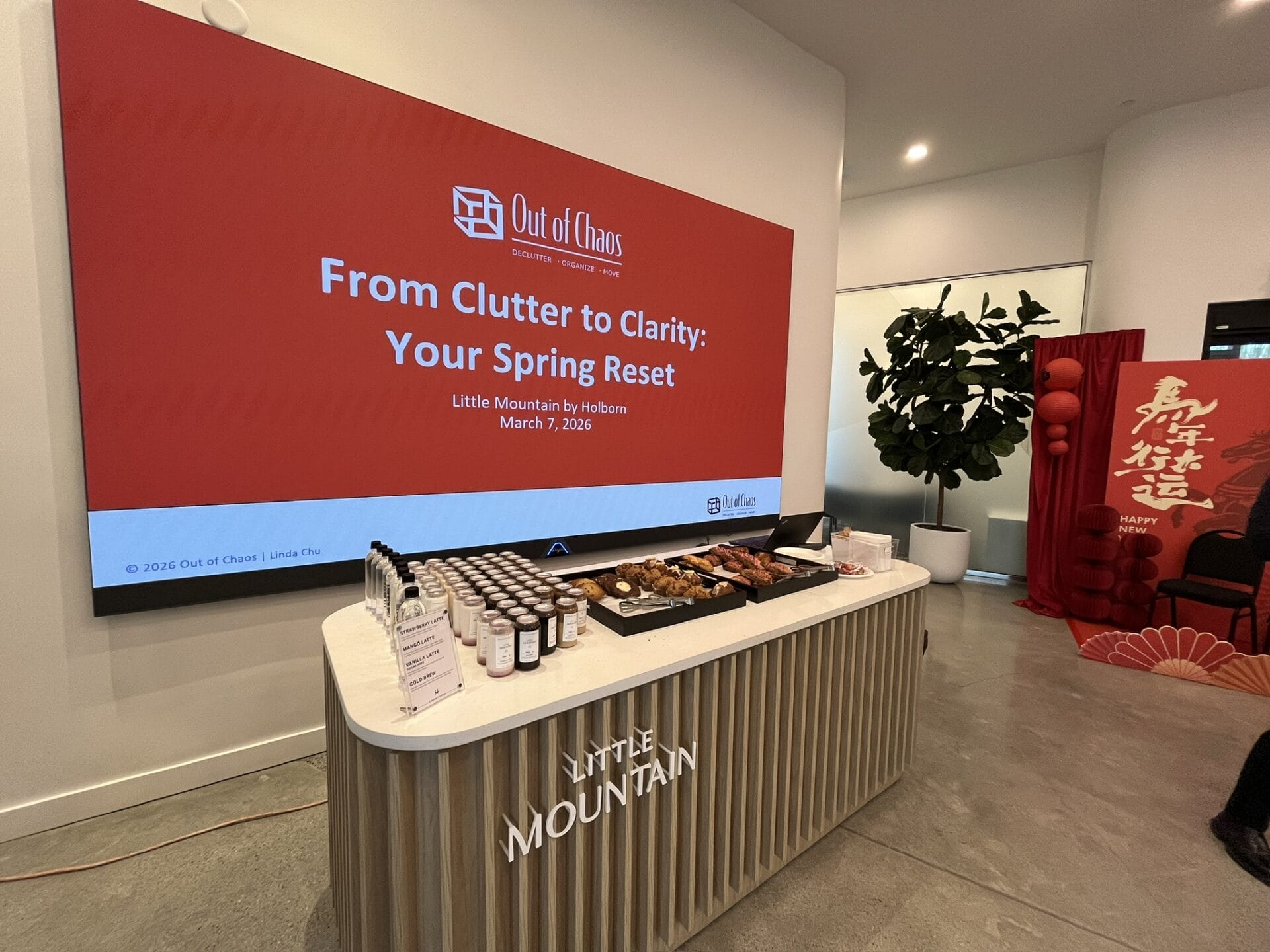
I’m incredibly grateful to have been invited into that room. What we explored together was not just “spring cleaning” in the traditional sense. It was something more practical, more sustainable, and ultimately more relevant to how we live today: spring clearing.
Spring Clearing: A Smarter Approach to Decluttering
Spring cleaning is what most of us have been taught. It’s seasonal, visual, often rushed and overwhelming.
Spring clearing, on the other hand, is a more effective and sustainable approach to decluttering and home organization. It focuses on reducing volume, creating functional systems, and making space for how you actually live today. This approach applies whether you’re preparing for a move, thinking about downsizing, or simply trying to reduce clutter or make your home easier to navigate.
This distinction matters.
Across Metro Vancouver and beyond, more people are navigating transitions in their homes than ever before. Families are growing and need more space. Empty nesters are right-sizing into smaller homes. Homeowners are preparing properties for sale. Others are staying put but feeling overwhelmed by accumulated belongings.
No matter the scenario, the challenge is the same: we have more than we need and it’s costing us more than we realize. From a practical standpoint:
- Moving companies charge based on volume
- Removal services charge based on volume
- Storage units accumulate monthly costs
It’s important to remember that what we choose to keep affects our time, energy, finances, and mental clarity. Spring clearing is a strategic step toward reducing future costs, simplifying life transitions, and improving efficiency and flow at home.
Productivity Begins With Mindful Choices
Home productivity is often misunderstood. Many of us assume it’s about doing more, working harder, or cramming tasks into a packed schedule. In reality, productivity starts with fewer and clearer decisions so your time, energy, and focus go exactly where they matter most.
* The CLEAR Framework: Decluttering with Intention
The CLEAR framework is a powerful tool for intentional decluttering. It guides what we keep, what we let go of, and how we organize our time, energy, and space.
C – Categorize: Group similar items to understand what you have
L – Limit: Reduce excess and duplicate items
E – Evaluate: Identify your “why” for keeping something
A – Allocate: Create accessible, functional homes for items
R – Remove: Let go of what no longer serves your life
This method encourages intentional decluttering instead of reactive cleaning, helping your home support the life you want to live.
* The 15-Minute Method: A Sustainable Approach to Organization
One of the most practical strategies shared at the event was also one of the simplest: consistency beats intensity. The idea is straightforward:
- Set a timer for 15 minutes
- Focus on one defined space
- Stop when the timer ends
This approach works because it removes the biggest barrier to starting: overwhelm. Fifteen minutes a day, even five days a week, adds up to significant progress over time. More importantly, it builds momentum and confidence which are two essential drivers of long-term productivity. It aligns with how habits are actually formed. Through repetition, not intensity.
* Avoiding Burnout: The “Ping-Pong” Problem
Another common pattern that came up and resonated with many in the room is what I call ping-ponging. You start in one room, pick up an item, carry it to another room, get distracted, and suddenly you’ve moved through the entire home without completing anything.
It feels busy but it’s not productive.
A more effective approach is staying anchored in one space, using bins and bags to sort items by category or destination, and moving everything at once at the end. This shift improves efficiency and prevents the mental fatigue that often stops people before they’ve made meaningful progress.
Decluttering for Safety, Function, And Quality of Life
Home organization is about much more than aesthetics. The way we arrange and reduce our possessions directly affects safety (especially fall prevention), accessibility, ease of daily living, and stress levels.
For households planning to age in place or supporting family members at home, decluttering becomes even more essential. A well-organized home becomes more about creating a space that supports your life now and into the future.
That’s why, at some point, every homeowner must make intentional choices. You can keep everything if (1) you have the space, (2) you can find things easily, and (3) it doesn’t create stress
If any of these conditions are missing, it’s time to reassess. Spring clearing offers a perfect opportunity to make these decisions before they become urgent.
A Meaningful Community Conversation
What made the Little Mountain by Holborn event especially meaningful was the openness in the room. People shared where they were stuck, asked practical questions, and recognized themselves in each other’s experiences.
This matters because decluttering is often done in isolation, yet it’s a challenge almost everyone faces at some point. Creating space, both physically and conversationally, for these discussions is what helps people move forward.
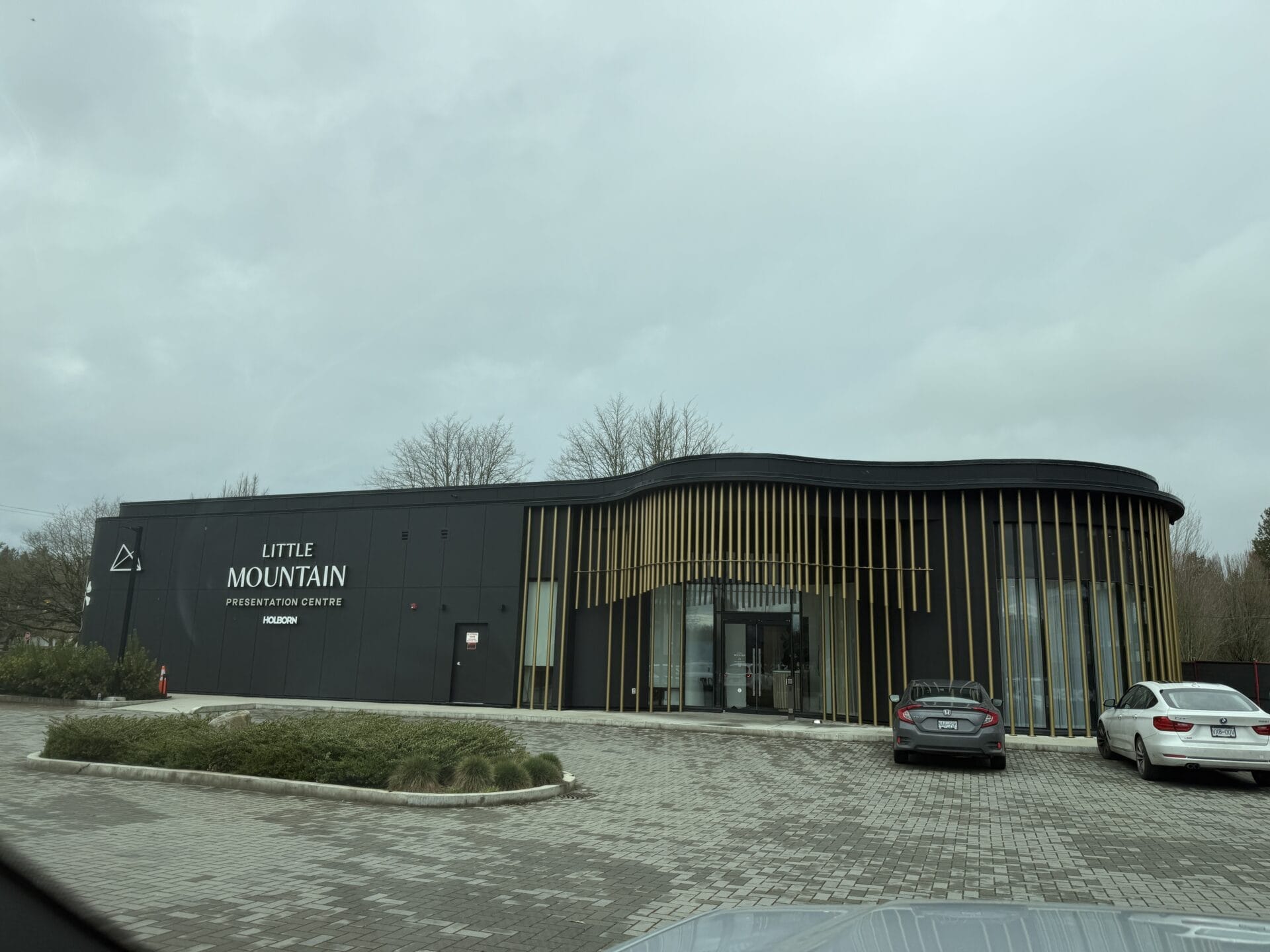
I’m sincerely grateful to Lisa McDonald, Shelley Simnor and Sunny Halm and the entire teams at Little Mountain and Tandem Strategy for creating that space and inviting me to be part of it.


What I Hope You Take Away
If there’s one takeaway from the Little Mountain presentation, it’s this: decluttering is deeply personal. Our belongings often represent past identities, future aspirations, relationships, memories, or unfinished decisions. That’s why advice focused only on “getting rid of things” rarely works.
A more effective approach is to ask practical and gentle questions: When did I last use this? Did I even remember I had it? Would I miss it if it were gone?
Keep what supports your life today. Let go of what no longer fits. Create systems that reduce friction. Because when your home works with you, productivity becomes natural and your space begins to feel lighter, calmer, and more manageable.